STYLE GUIDES
How to Wash, Dry and Store Golf Clothing: The Complete Care Guide
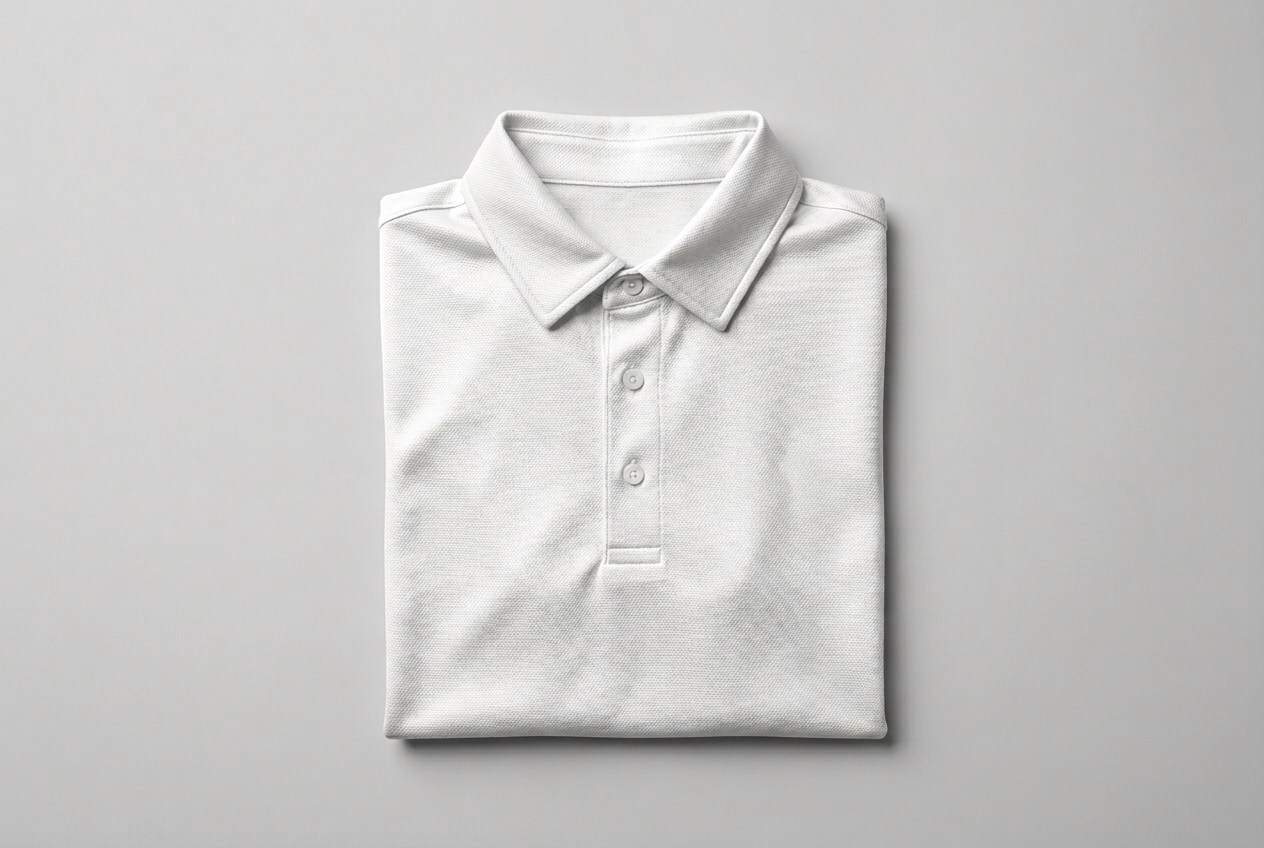
A $130 golf polo treated like a basic cotton t-shirt will lose its shape, color, and moisture-wicking performance within a season. Performance golf fabrics are engineered systems — and engineering has specific maintenance requirements. This guide covers every garment type in your golf wardrobe, from the washing machine through to long-term seasonal storage.
Understanding Performance Golf Fabrics
Modern golf clothing is almost entirely made from synthetic performance fabrics — primarily polyester-spandex blends, with some nylon. These fabrics are selected for their moisture-wicking capacity, stretch, and durability, but they behave very differently from cotton and natural fibres under heat and detergent stress.
The most important thing to understand: synthetic performance fabrics are heat-sensitive and detergent-sensitive. Heat degrades the elastic component (spandex), permanently reducing stretch and recovery. Fabric softener and certain detergents coat the moisture-wicking fibres with a residue that blocks their function — and this coating accumulates with every wash if you don't address it.
Washing Temperatures
Cold water (30°C / 86°F or below) for all performance golf garments — polos, shorts, trousers, base layers, and most pullovers. Hot water degrades spandex fibres and can cause dye bleeding in bright colors. Warm water is acceptable for plain white cotton-blend items only.
Detergents to Avoid
Avoid any detergent with built-in fabric softener — this includes many standard liquid detergents marketed as "gentle" or "caring." Also avoid: bleach (even color-safe varieties on performance fabrics), optical brighteners, and heavily fragranced detergents which can leave residue on technical fabrics. Use a sport-specific detergent like Hex Performance, Nathan Sport-Wash, or Tide Sport — formulated to remove sweat and sunscreen without degrading performance fibres.
The Dryer Rule
Never put performance golf clothing in a hot dryer. High heat permanently damages the stretch fibres and can cause fabric to pill, shrink, or lose its moisture-wicking finish. Hang dry all performance polos, shorts, and trousers. If you must use a dryer, use the lowest heat setting only — and remove items while still slightly damp to finish air drying flat.
Golf Polo Care
The polo is your most frequently worn and most frequently washed golf garment. Getting this right extends its life from two seasons to five or more.
Wash Cycle Settings
Cold water, gentle or delicate cycle, sport detergent. Turn inside out before washing to protect the outer surface from abrasion and to prevent logos from cracking or peeling. Do not wash with items that have zippers or Velcro — these catch and pill the polo fabric.
Sunscreen and Sweat Residue
Sunscreen is the primary cause of yellowing and residue buildup in golf polos, particularly around the collar and cuffs. Pre-treat sunscreen stains with a small amount of dish soap (which cuts oil) rubbed in before washing. For persistent yellowing on white polos, a soak in a mixture of warm water and white vinegar (not bleach) can lift discoloration without damaging the fabric.
Collar Maintenance
A polo collar that curls or loses its structure is the most visible sign of poor care. Avoid high-heat drying, which accelerates collar degradation. Hang polos on quality plastic or wooden hangers — wire hangers distort the collar and shoulder shape over time. When storing, button the top button to help the collar maintain its form.
Removing Grass Stains
Pre-treat grass stains immediately after the round — don't let them set. Apply a small amount of liquid laundry detergent or stain remover directly to the stain, work it in gently with a soft brush or your fingers, and let it sit for 15 minutes before washing. Cold water only — hot water sets protein-based stains permanently.
Golf Trouser and Shorts Care
Golf trousers and shorts typically use the same polyester-spandex blends as polos, with similar care requirements — but the waistband and any interior construction (drawstring, elastic) require additional attention.
Washing Golf Shorts and Trousers
Cold water, gentle cycle, inside out. Empty all pockets before washing — tees, ball markers, and scorecards can cause damage to both the garment and your machine. Close any zip pockets to prevent zipper abrasion. Hang dry — never tumble dry on high heat, as waistband elastic degrades with sustained heat exposure.
Crease Maintenance
If your golf trousers have a pressed crease, the dryer will destroy it. Press trousers on a medium-heat iron setting with a pressing cloth between the iron and the fabric — direct high heat on synthetic fabrics causes sheen or melting. Re-press the crease along the existing line after every few washes.
Preventing Pilling
Pilling occurs when fabric fibres break and tangle together, typically from abrasion during wear and washing. Use a gentle cycle, don't wash with rough fabrics (denim, towels), and turn garments inside out. If pilling occurs, a fabric shaver (lint remover) can restore the appearance of lightly pilled garments.
Waterproof Golf Jacket Care and DWR Re-Proofing
A waterproof golf jacket is typically your most expensive apparel investment. The DWR (Durable Water Repellency) finish that makes rain bead off the surface degrades with use, washing, and contamination — but it can be restored with the right technique.
Washing the Jacket
Use a technical wash formulated for waterproof garments — Nikwax Tech Wash and Grangers Performance Wash are the industry standards. Do not use standard detergents, fabric softeners, or stain removers on waterproof jackets — they damage the DWR coating and can compromise the membrane. Follow label instructions for water temperature (most Gore-Tex and similar membranes wash on a warm cycle, not cold).
Restoring DWR Waterproofing
When water stops beading on the jacket surface and instead wets out (soaks into the outer fabric), the DWR needs refreshing. This typically happens every 10–20 washes depending on use intensity. Two methods work:
Tumble dry method: After washing with tech wash, tumble dry on low heat for 20–30 minutes. The heat reactivates the existing DWR coating if it hasn't fully broken down.
Re-proof spray method: Apply Nikwax TX.Direct Spray-On or Grangers Performance Repel Spray to the clean, damp jacket. This adds a fresh DWR layer when the existing coating has degraded beyond restoration by heat alone. Work systematically across all surfaces, wipe off excess with a damp cloth, then tumble dry on low to cure.
Storage
Store waterproof jackets loosely folded or hanging — never compressed in a stuff sack for extended periods. Compression damages the membrane and degrades DWR. A dry, cool location away from direct light. Check for DWR function at the start of each season by splashing water on the surface and watching whether it beads or wets out.
Golf Shoe Care
Golf shoes take significant abuse — mud, wet grass, sand, morning dew, walking on cart paths. A ten-minute post-round routine extends their life by years.
After Every Round
Remove insoles and allow them to air dry separately — insoles trap moisture and develop odor faster than the shoe upper. Remove loose soil and grass with a soft brush before it dries (dried mud is much harder to remove and can stain leather). Wipe the uppers clean with a slightly damp cloth. For leather shoes, condition after cleaning to prevent the leather from drying and cracking.
Spike Maintenance
Check soft spikes regularly for wear — worn spikes reduce traction and can damage greens. Replace them when the traction nubs are visibly worn down. Most spikeless shoes have integrated traction patterns that can't be replaced — these have a finite lifespan of 100–200 rounds before replacement is warranted.
Leather Golf Shoes
Condition leather golf shoes after every 4–6 rounds with a quality leather conditioner. This prevents cracking, maintains water resistance, and keeps the leather supple. For waterproofing, apply a beeswax or dubbin-based treatment at the start of each season. Use cedar shoe trees to maintain shape and absorb moisture between rounds.
Synthetic and Mesh Golf Shoes
Wipe clean with a damp cloth — avoid submerging in water or machine washing, which can damage adhesives and structural components. Remove insoles and air dry thoroughly after wet-weather rounds. For mesh uppers, a soft brush with mild soap can address embedded dirt without damaging the material.
Seasonal Storage Guide
If you play primarily in-season and store golf clothing for 4–6 months over winter, proper storage prevents permanent damage from improper conditions.
Before Storing
Wash every garment before storage — even items that appear clean. Invisible sweat residue, sunscreen, and biological matter break down fabric fibres over months and attract insects. Ensure everything is completely dry before folding or hanging for storage. Damp stored garments develop mildew that permanently stains synthetic fabrics.
Storage Conditions
Cool, dry, dark storage is ideal. Avoid attics (temperature extremes), basements (humidity), and direct sunlight. Hanging is preferable to folding for items that wrinkle easily (trousers, structured jackets). Use quality plastic or wooden hangers — not wire. For folded items, tissue paper between layers prevents color transfer and abrasion.
Shoe Storage
Clean and condition leather shoes before storage. Insert cedar shoe trees or stuff with acid-free paper to maintain shape. Store in a breathable fabric bag or original box — not sealed plastic, which traps moisture. Keep away from direct heat sources which dry out leather.
Golf Clothing Care: Do's and Don'ts
Always Do
- Wash performance fabrics in cold water on a gentle cycle
- Use sport-specific detergent free of fabric softener
- Hang dry all performance polos, shorts, and trousers
- Turn garments inside out before washing
- Pre-treat sunscreen and grass stains before washing
- Use Nikwax Tech Wash for waterproof jackets
- Re-proof DWR finish every 10–15 washes
- Insert shoe trees after every round
- Wash all garments before seasonal storage
- Use cedar shoe trees to maintain shape in storage
Never Do
- Tumble dry performance fabrics on high heat
- Use fabric softener on any golf clothing
- Use bleach on performance fabrics
- Iron directly on synthetic fabrics without a pressing cloth
- Store clothing damp — mildew causes permanent damage
- Use standard detergent on waterproof jackets
- Store shoes in sealed plastic bags or airtight containers
- Wash with items that have zippers or Velcro
- Leave sunscreen stains to set without pre-treating
- Compress waterproof jackets in stuff sacks long-term
GolfClothing.com is reader-supported. When you buy through links on our site, we may earn an affiliate commission at no extra cost to you. Learn more →
Get the Golf Clothing Care Cheat Sheet
A quick-reference guide to washing, drying, and storing every type of golf garment.
Free. No spam. Unsubscribe anytime.